eBike Rental Fleet
How to Choose the Perfect Electric Bike for a Rental Fleet
E-bikes are transforming the bike rental industry—making cycling accessible and fun for nearly everyone. Learn tips on how to structure your fleet.
Who I am and who this is for
I’ve been running a rental bike shop for over 10 years now, with 25 years of experience in the bicycle industry. My focus has been on renting bikes for sightseeing in a country setting, with moderate hills and beaches as the main attractions. While I’ve done some MTB rentals, I wouldn’t call myself an expert in that niche. Similarly, I’ve rented plenty of road bikes but not many eRoad bikes.
This advice is geared toward shops offering leisure e-bike rentals. If you’re running a business near a ski lift renting downhill bikes, or renting triathlon bikes to mobile customers, you’re the expert for your field, not me. My goal is to share the thought process behind building a leisure e-bike fleet and help you consider the key features for your specific needs.
My Shop’s Experience with E-Bikes
I embraced e-bikes early in the rental game. My first venture was with front-wheel drive conversion kits, which were flawed but surprisingly popular. When Shimano released its first crank-drive system, I bought six bikes, even though they cost five times the price of basic rentals. My competitors thought I was crazy. The bikes were expensive, but they were fun—even for an out-of-shape shop owner like me.
By year two, I doubled the fleet. By year three, I doubled it again. Now, I have over 50 e-bikes in my fleet, and so do my competitors. E-bikes have fundamentally changed the rental world and opened up cycling to a huge swath of people who wouldn’t have ridden before. Here’s what I’ve learned about building a successful fleet.
How E-Bikes Expanded the Rental Market in the U.S.
E-bikes have been a game-changer for the bike rental industry in the United States, bringing in customers who previously wouldn’t have considered renting a bike. The reasons are clear:
- Accessibility: E-bikes lower the barrier to entry for people who may not feel confident on a traditional bike. Hills, long distances, or a lack of physical fitness are no longer deal-breakers.
- Broadening Demographics: E-bikes attract a wider range of ages and abilities. Older riders, families, and even people recovering from injuries can enjoy cycling with less strain.
- New Experiences: Visitors now see e-bike rentals as a unique activity. Riding an e-bike is often viewed as an adventure in itself, making it an attractive option for tourists looking to explore new areas.
- Increased Ride Range: With the assistance of an electric motor, riders can cover more ground, making it easier to visit multiple attractions in one outing. This appeals to tourists who want to maximize their time in a new location.
- Group Inclusivity: In mixed-ability groups, e-bikes allow everyone to ride together comfortably, regardless of fitness levels. This inclusivity has made e-bikes a go-to choice for family outings and group adventures.
The result is that e-bikes have created a new customer base for rental shops. These are people who might not have ridden bikes before but are excited to try something new and accessible. For rental businesses, this means increased revenue and opportunities to grow their fleets.
Key Considerations for Choosing the Right E-Bike
Target Market
Understanding your customers and terrain is critical when choosing e-bikes for your rental fleet. Different types of customers have varying needs:
- Recreational Riders: These customers prioritize fun and ease of use. They’re often less experienced cyclists who prefer bikes with intuitive controls and comfortable designs, such as step-thru frames.
- Sightseers: Sightseeing customers value range and battery life. They’ll appreciate bikes that allow them to cover significant distances and navigate moderate hills effortlessly.
- Transportation Riders: These renters may use e-bikes for commuting or practical purposes. They need reliable, sturdy bikes with good power and cargo options.
- Nostalgic Riders: Some customers rent bikes to relive memories or try something new, like e-bikes. These users value simplicity and may prefer models with classic designs.
Terrain also plays a huge role in determining the best bike for your fleet:
- Hilly Areas: Opt for Class 3 e-bikes or models with powerful motors and larger batteries to handle steep inclines.
- Flat Terrain: Bikes with lower-powered motors and smaller batteries can work well and save on costs.
- Beaches: Consider fat-tire e-bikes for sandy terrain, as they provide better traction and stability.
- Mixed Terrain: Versatile models with mid-level power and adjustable features, like swappable batteries, ensure flexibility for varying conditions.
E-Bike Class
- Class 1: Pedal-assist only, max speed of 20 mph.
- Advantages: Easy to use, safer, lower maintenance, many model options.
- Disadvantages: May not have enough power for some riders.
- Class 2: Pedal-assist plus throttle, max speed of 20 mph.
- Advantages: More affordable, throttle appeals to some riders.
- Disadvantages: Throttles can break, parts can vary wildly in quality.
- Class 3: Pedal-assist, max speed of 28 mph.
- Advantages: Powerful, great for hilly terrain, intuitive.
- Disadvantages: Higher cost and maintenance.
Cost of Ownership
Understanding the total cost of ownership (TCO) is critical for a profitable e-bike rental fleet. TCO is measured across the entire lifespan of the bike, as ongoing costs and time-based depreciation play significant roles in determining profitability.
TCO Formula: TCO = Initial Purchase Price + Labor for Initial Assembly + Operating Costs (over the bike’s lifespan) + Maintenance Costs (over the bike’s lifespan) + Other Costs – Residual Value (at the end of the bike’s lifespan)
- Initial Purchase Price:
- The upfront cost of acquiring the bike, including taxes, shipping, and any modifications required to make it rental-ready (e.g., adding racks, changing drivetrains).
- Labor for Initial Assembly:
- The cost of assembling the bikes, including the time and expertise required to ensure they are properly set up and safe for renters. Time spent here can impact your ability to quickly scale your fleet.
- Operating Costs:
- Day-to-day expenses for running the fleet, such as electricity for charging batteries, labor for customer orientations, and storage or transport costs. These costs accumulate over the entire lifespan of the bike.
- Maintenance Costs:
- Regular upkeep and repairs, including tire replacements, brake pad changes, drivetrain adjustments, and professional servicing. These costs grow with use and are ongoing throughout the bike’s life.
- Other Costs:
- Additional expenses like insurance, taxes, training for employees, and accessories (e.g., helmets, locks). These are recurring and increase over time as your fleet grows or evolves.
- Residual Value:
- The estimated resale or trade-in value of the bike at the end of its useful life. Residual value decreases over time due to wear, usage, and depreciation, emphasizing the importance of maintaining your fleet to retain as much value as possible.
By factoring in costs and time for each element, you can create a realistic projection of your fleet’s profitability and make informed decisions about expansion and investment. To accurately track your TCO, consider creating a spreadsheet that itemizes initial costs, recurring expenses, and projected revenues.
Size Range
- A rental fleet needs to accommodate a wide variety of riders. 4’10” – 6’6″ is the range that I aim for.
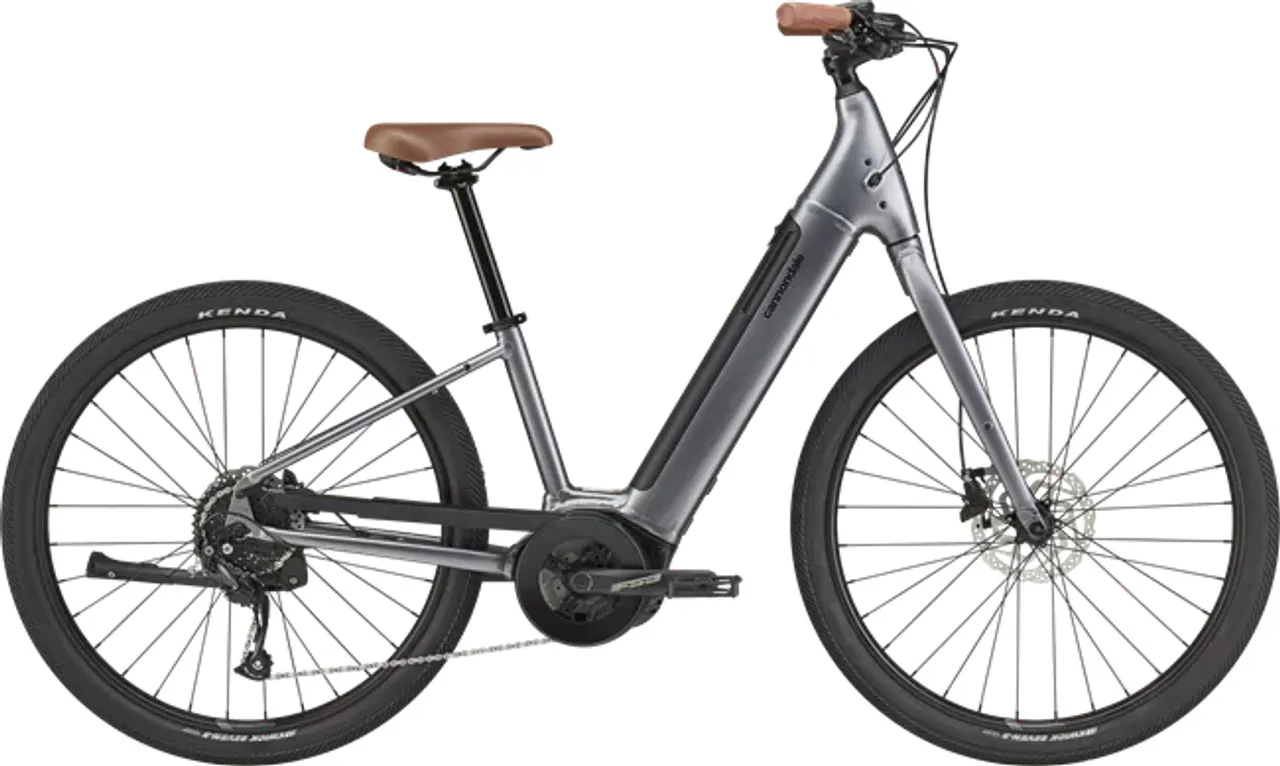
- Look for models with fewer sizes that fit broader size ranges. The Cannondale Adventure Neo is a good example of a bike with very flexible sizing. 2 sizes gets you 4’10” – 6’4″ comfortably. This lets a smaller fleet fill more orders in a day.
- Be cautious of manufacturers’ overly optimistic sizing claims, especially with lower-end bikes.
Maintenance
- Suspension is often a weak point in rental fleets. Avoid it unless absolutely necessary (e.g., for MTB rentals). This is just a rule you should follow if you can.
- Opt for bikes with readily available e-assist parts from reputable brands like Bosch and Shimano. Unless you have a desire and need for class 2 bikes I recommend avoiding them – they need more maintenance and it is harder to perform.
- Predict failure points and stock spare parts for common issues like cassettes, chains, brake pads, and rotors. E-bikes where through drivetrains twice or even three times as fast as a normal bike. Class 2 bikes do not have this issue and it is a big win for them, but it does not overcome their quality and parts availability issues.
Ease of Operation
- Simplicity is key. Bikes that are complicated to use or require long orientations can cost you labor hours over time. More features = more things to break. I have removed features from entire fleets proactively.
Swappable Batteries
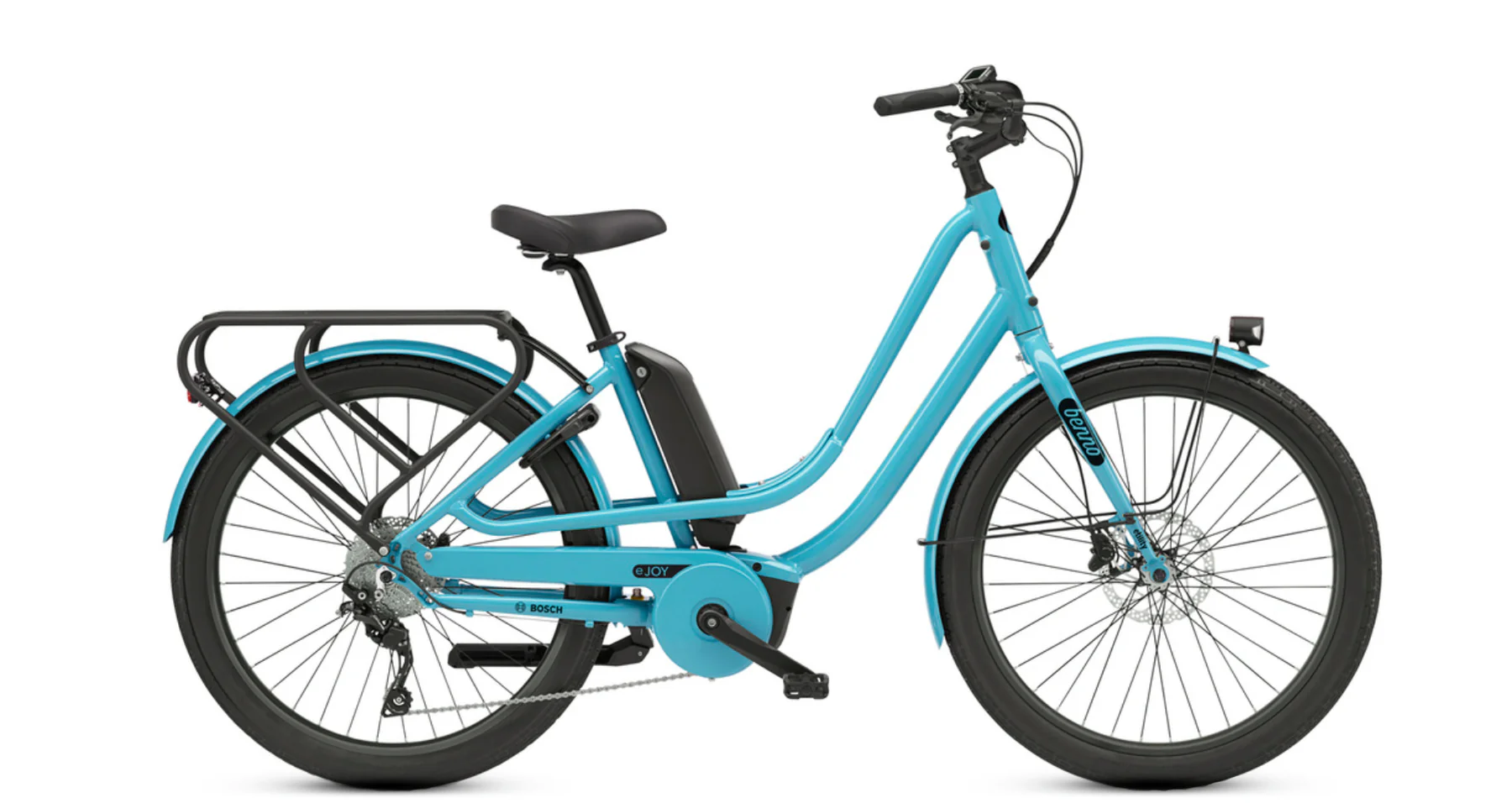
- Swappable batteries add flexibility, allowing you to fulfill group rentals after the morning rush and even upsell extra batteries. I love my Benno’s with external batteries, they just make some things worry free for the customer and me. If I see a great big person I know one of the Benno and a spare will get them through the day. I worry about some other bikes in my fleet.
Safety
- Choose bikes with intuitive controls and manageable power levels. Predictability is key. One of my primary concerns is a delay between the rider stopping pedaling and the bike stopping the assist. In a personal bike this quirk is easily adjusted for. In a rental bike it is a big concern.
- Liability waivers should supplement, not replace, proper gear choices and renter orientation.
Bike Design Features
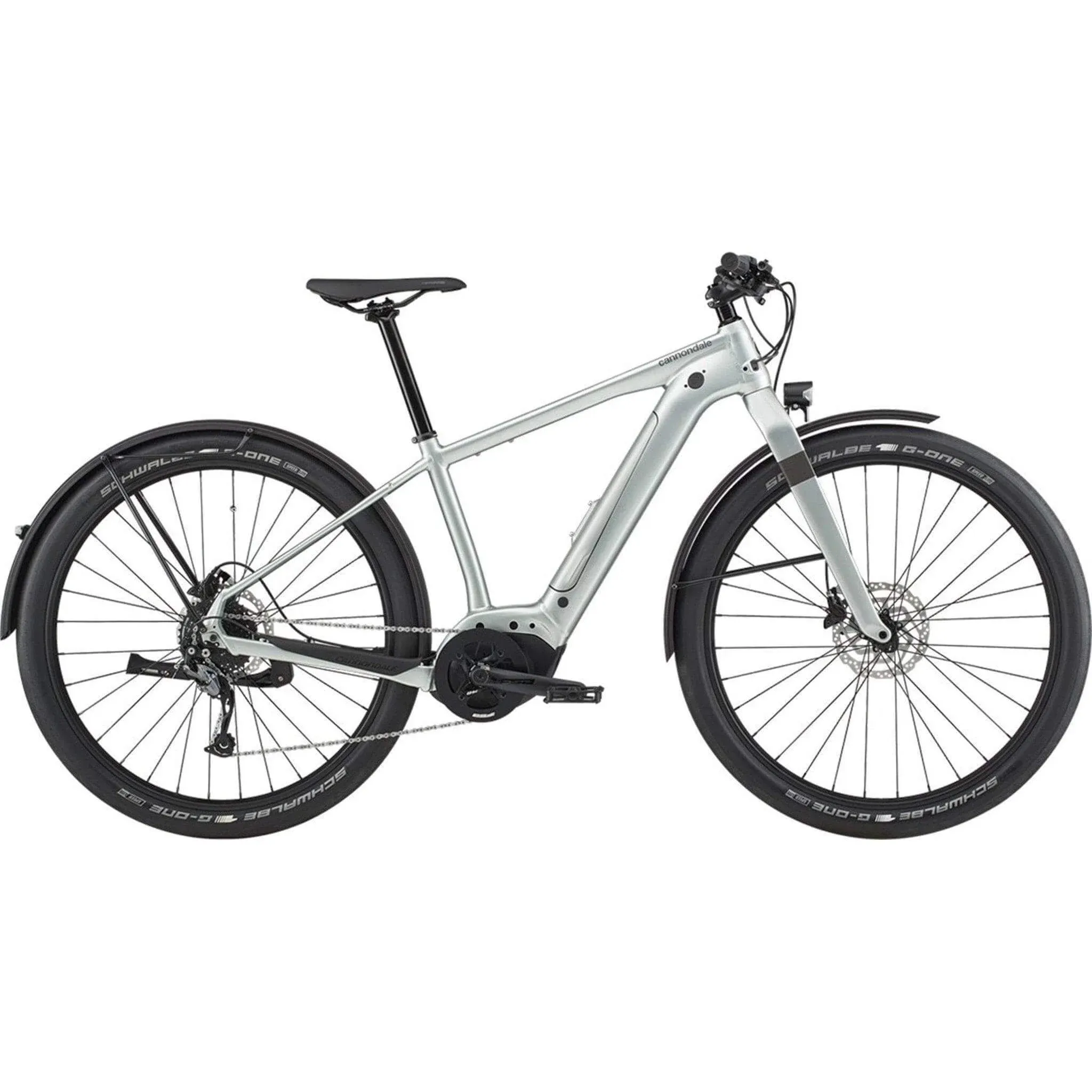
- Seat tube shape: Avoid curved seat tubes, which complicate seat post adjustments. My fleet has some older Cannondale Canvases and they have a very slight curve in the seat post, this has caused me to need many different length seat posts to accommodate different shaped riders. All setup with saddles, I bet I have as much is spare seats as I do a single Canvas – this was an expensive oversight.
- Thru-axles: While they ride better, they’re a hassle for flat repairs and trailer attachments. Expecting a rental customer to be able to deal with thru axles in the event of a flat is unrealistic.
- Step-thru frames: These are a must for leisure fleets, especially for older or less mobile riders. They’re easier to mount and dismount, making them universally loved.
- QR seatpost clamps are essential for quick adjustments. Dropper posts are tempting but costly for a fleet like mine. Clearly dropper posts are a must-have for an eMTB fleet.
Inventory Logistics
- Commonality in drivetrain, wheel sizes, and other components simplifies maintenance and employee training.
Manufacturer Relationships
- Building strong relationships with reps can lead to better pricing, terms, and support. Build these relationships, the sales reps will see you as a place that is exposing people to positive experiences with their product. This will lead to financial benefit for you.
- Renting bikes from brands you sell can boost retail sales and create synergy between rentals, repairs, and sales.
Profitability
To determine whether a specific bike in your rental fleet is profitable, you need to break down its costs and revenue over its useful lifespan. Here’s how you can approach it:
- Calculate Total Costs: Use the TCO formula.
- Total Revenue:
- The revenue that the asset in question has generated over it’s service life.
- Incorporate Residual Value:
- At the end of its service life, factor in the bike’s resale or trade-in value to offset some of the costs.
- Profitability Calculation:
- Use this formula: Profit = Total Revenue – TCO + Residual Value
- A positive number indicates profitability, while a negative number means the asset may not be viable. The higher the value relative to other assets in your fleet will help you determine the weight this particular asset should have in your asset allocation.
- Example: If you find that a small of a particular ebike has double the revenue per unit in your fleet than a large of the same ebike, you need more smalls or less larges…
- Track Metrics Over Time:
- Regularly monitor metrics like revenue per rental, average maintenance costs, and rental frequency to adjust projections and make informed decisions about replacing or expanding your fleet.
This calculation helps you determine if you have an adequate number of a specific asset in your fleet. It’s especially useful for evaluating outgoing assets when purchasing new ones. By understanding the profitability of each asset, you can make informed decisions about the ideal fleet size and composition. Avoid being swayed unnecessarily by manufacturer marketing or personal preferences for certain assets. At the end of the day, running a rental fleet is about profitability, even if we’d all rather be out riding our bikes.
Conclusion
Building the perfect e-bike rental fleet isn’t about finding the flashiest or cheapest bike—it’s about understanding your customers, terrain, and operational needs. Start with your target market, evaluate the terrain, and work through the practicalities of cost, maintenance, and safety. Prioritize simplicity and reliability over trends or gimmicks.
E-bikes have revolutionized the bike rental world, opening the door to new customers and creating exciting opportunities. With thoughtful planning, your fleet can become a cornerstone of your business—offering fun, accessibility, and a healthy way for people to explore your area. For most bicycle shops rentals are 4x more valuable than retail or repair dollar for dollar.
Now the Valet Software Plug. All of this bike rental fleet analysis is based on detailed reporting. So many of our rental management software competitors fail when it comes to reporting – Many of them are hard to navigate and unintuitive. Others don’t even try and just spit out a big spread sheet with old/dead data that makes running analysis tiresome. Valet is integrating a state of the art reporting system that will help you run your business more profitably and reduce the time you spend trying to answer questions about your revenue.
Have questions or thoughts? Feel free to reach out using the contact button below—I’d love to connect and share experiences!